
How to Fix a Microsoft Account Sign-In Loop on Windows
Stuck signing in to your Microsoft account on Windows again and again? Use these practical steps to stop the loop and regain access faster.

Stop your laptop from turning itself back on after sleep with practical checks for wake timers, devices, and power settings that actually solve it.
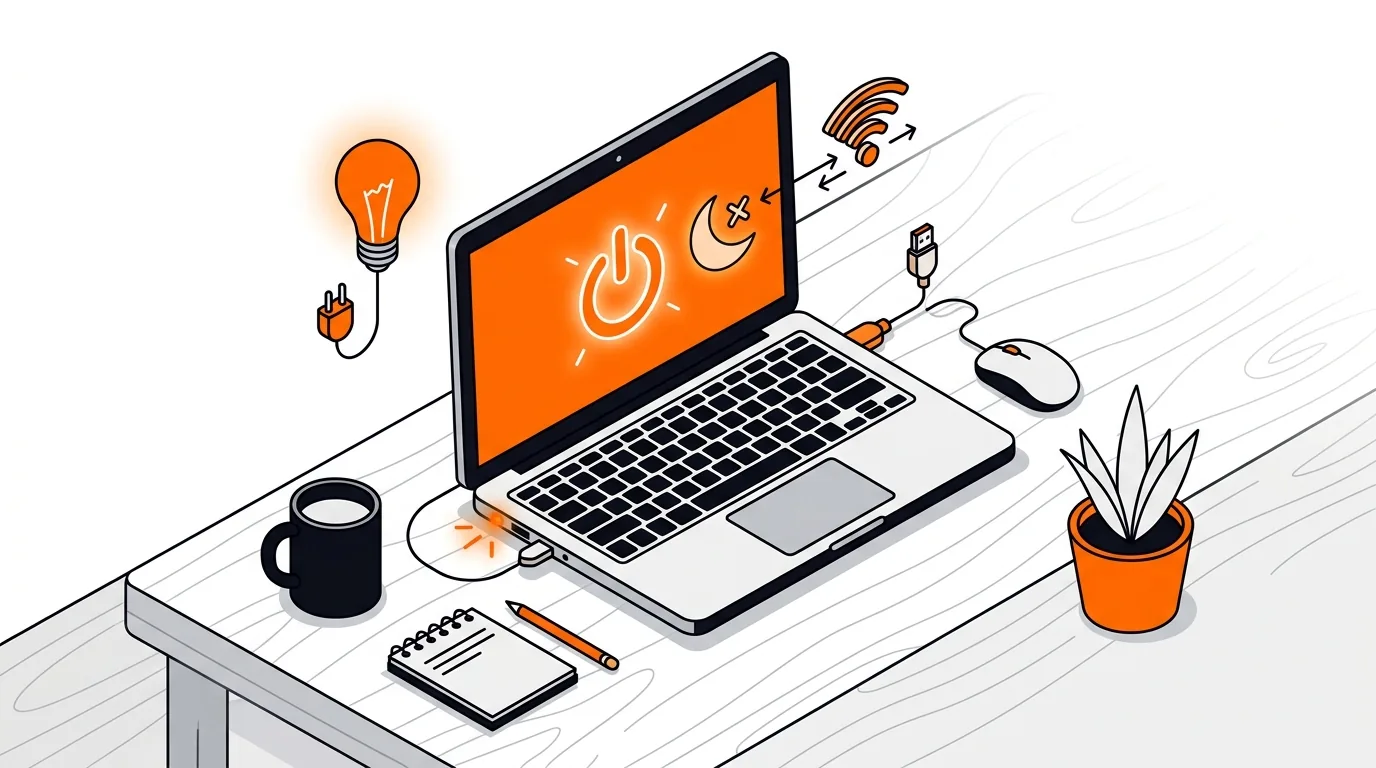
If your laptop goes to sleep and then wakes up again on its own, you are not imagining it. This frustrating issue can drain the battery, turn on fans in your bag, and make it seem like sleep mode is broken. The good news is that in most cases, a laptop wakes up from sleep because of a specific device, scheduled task, or power setting that can be tracked down and fixed.
In this guide, you will learn the most common causes, how to find out what is waking your laptop, and the exact steps to stop it from happening again on both Windows and Mac laptops.
When a laptop wakes unexpectedly, the cause is usually not random. A USB mouse, keyboard, Bluetooth device, network adapter, alarm timer, update task, or power management feature may be allowed to wake the system. Even slightly moving a wireless mouse or receiving network activity can be enough to bring the computer back on.
On Windows, wake timers and device permissions are the most common reasons. On Mac, features like Power Nap, network access, or Bluetooth wake can cause similar behavior. If your computer turns on by itself after sleep, the fix is usually to identify what triggered the wake event and then adjust that specific setting.
If your laptop wakes up from sleep even after these changes, there may be a deeper driver conflict, firmware bug, or hardware issue such as a failing lid sensor, touchpad, or power button board. At that point, it helps to document when it happens, whether it occurs on battery or charger, and what devices are connected. That makes advanced troubleshooting much faster and can prevent random fixes that do not address the real cause.
This usually points to a scheduled task or wake timer. Windows Update, maintenance tasks, backup software, or vendor utilities may be set to wake the computer at a specific time. Check powercfg /waketimers and Task Scheduler to see what is scheduled.
Yes. A wireless mouse is one of the most common causes. Slight movement on a desk or inside a bag can send a wake signal through its USB receiver or Bluetooth connection. Disabling the mouse's permission to wake the laptop often fixes the issue quickly.
Yes, it can be. If the laptop wakes inside a sleeve or backpack, heat can build up because airflow is limited. That can drain the battery and, in extreme cases, lead to overheating. Always confirm the laptop is fully asleep or shut down before packing it away.
If you want hands-on help stopping a laptop sleep mode problem, call 247TechTeam at 888-549-0702 or request a secure remote session.
Our technicians can help remotely.
Stuck signing in to your Microsoft account on Windows again and again? Use these practical steps to stop the loop and regain access faster.
Learn when remote tech support can fix a slow PC faster than an in-store visit, plus the checks you can do first to save time and money.
Learn how to prevent Windows Update from replacing a stable driver, so you can stop recurring crashes, flickering, or device problems for good.



Please sign in or create an account to interact with this article.