
How to Fix a Microsoft Account Sign-In Loop on Windows
Stuck signing in to your Microsoft account on Windows again and again? Use these practical steps to stop the loop and regain access faster.

Learn how to clean a bloated Downloads folder safely so you can free up storage, find important files faster, and avoid deleting something you still need.
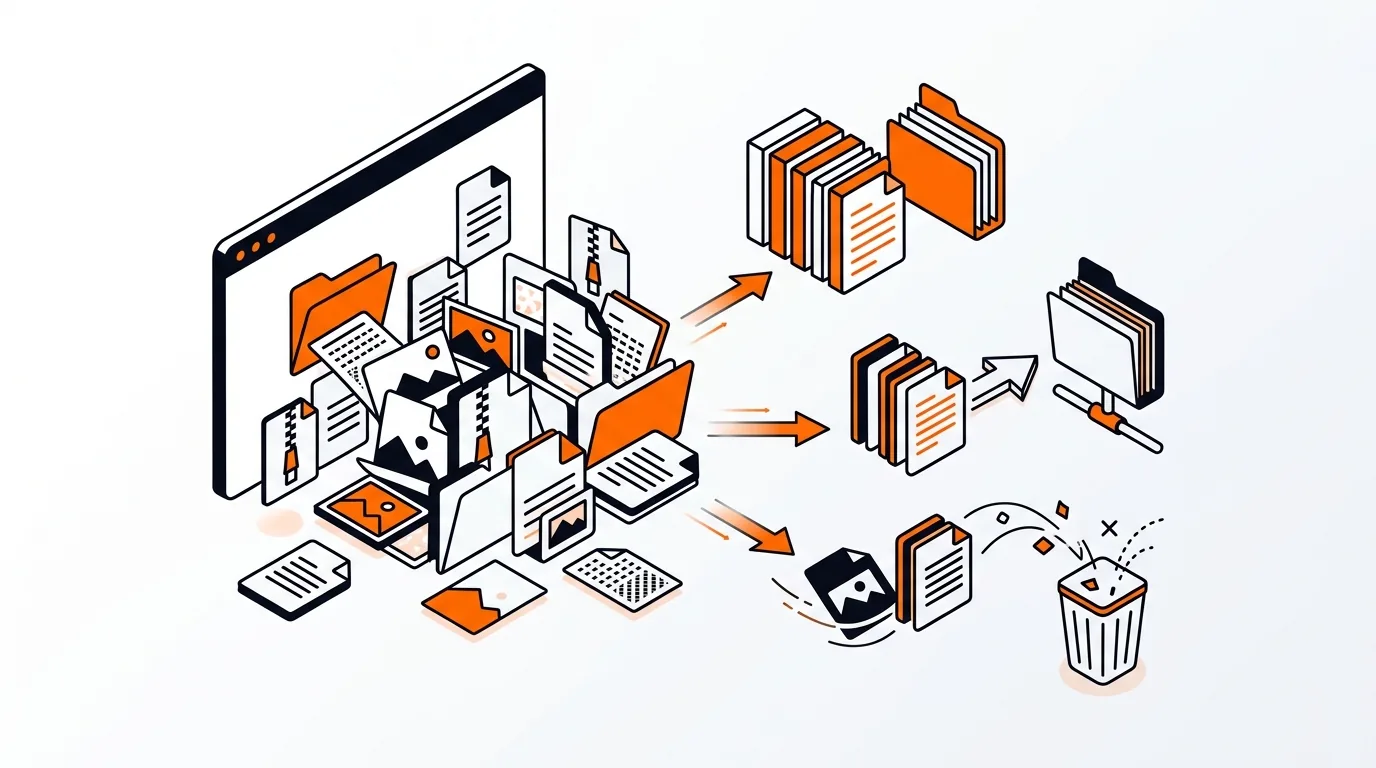
If your computer keeps warning you about low storage, your Downloads folder may be doing more damage than you realize. Learning how to clean a bloated Downloads folder can quickly recover space, reduce clutter, and make it easier to find the files you actually need.
The good news is that you do not need special software to do this safely. Below, you will learn how to review large downloads, separate important files from junk, and avoid deleting installers, PDFs, or photos you still plan to use.
The Downloads folder is one of the easiest places for digital clutter to build up because web browsers, email attachments, software installers, and exported documents often land there automatically. Over time, it can collect duplicate files, old ZIP archives, outdated app installers, and large videos you only needed once.
Unlike folders such as Documents or Pictures, Downloads often becomes a temporary holding area that never gets cleaned out. That means even a few months of neglected downloads can take up several gigabytes of storage on a Windows PC or Mac.
If your Downloads folder fills up again within days or weeks, check which apps are saving files there automatically. Web browsers, email programs, messaging apps, and meeting software may all be using Downloads as the default save location. You may want to change those save settings or start saving large files directly to Documents, an external drive, or cloud storage. If your computer is still low on space after a Downloads folder cleanup, a broader hard drive storage audit can help identify larger issues such as video files, backups, or app data stored elsewhere.
Not always. Many files in Downloads are temporary, but some may be important documents, installers, or photos you have not moved yet. Review the folder carefully before deleting anything, especially larger files you do not immediately recognize.
Common space-hogging files include videos, ZIP archives, software installers, disk images, exported presentations, and duplicate downloads. Sorting by size is the fastest way to find them.
Usually, you can delete installer files after installation if the app is working correctly. However, if it is a hard-to-find program, a printer driver, or software you may need to reinstall without downloading again, move the installer to a labeled backup folder instead of deleting it.
Need help organizing files or freeing up storage safely? Call 247TechTeam at 888-549-0702 or request a secure remote session.
Our technicians can help remotely.
Stuck signing in to your Microsoft account on Windows again and again? Use these practical steps to stop the loop and regain access faster.
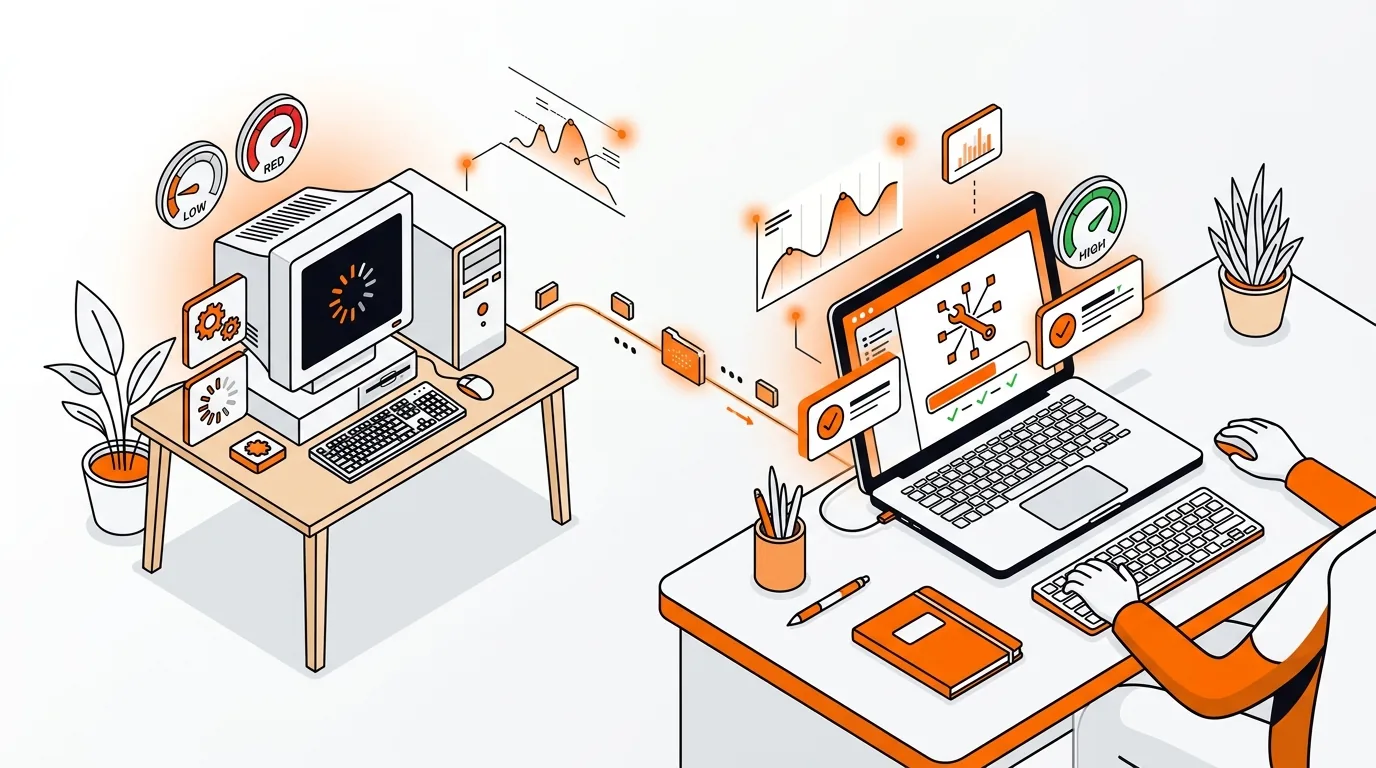
Learn when remote tech support can fix a slow PC faster than an in-store visit, plus the checks you can do first to save time and money.
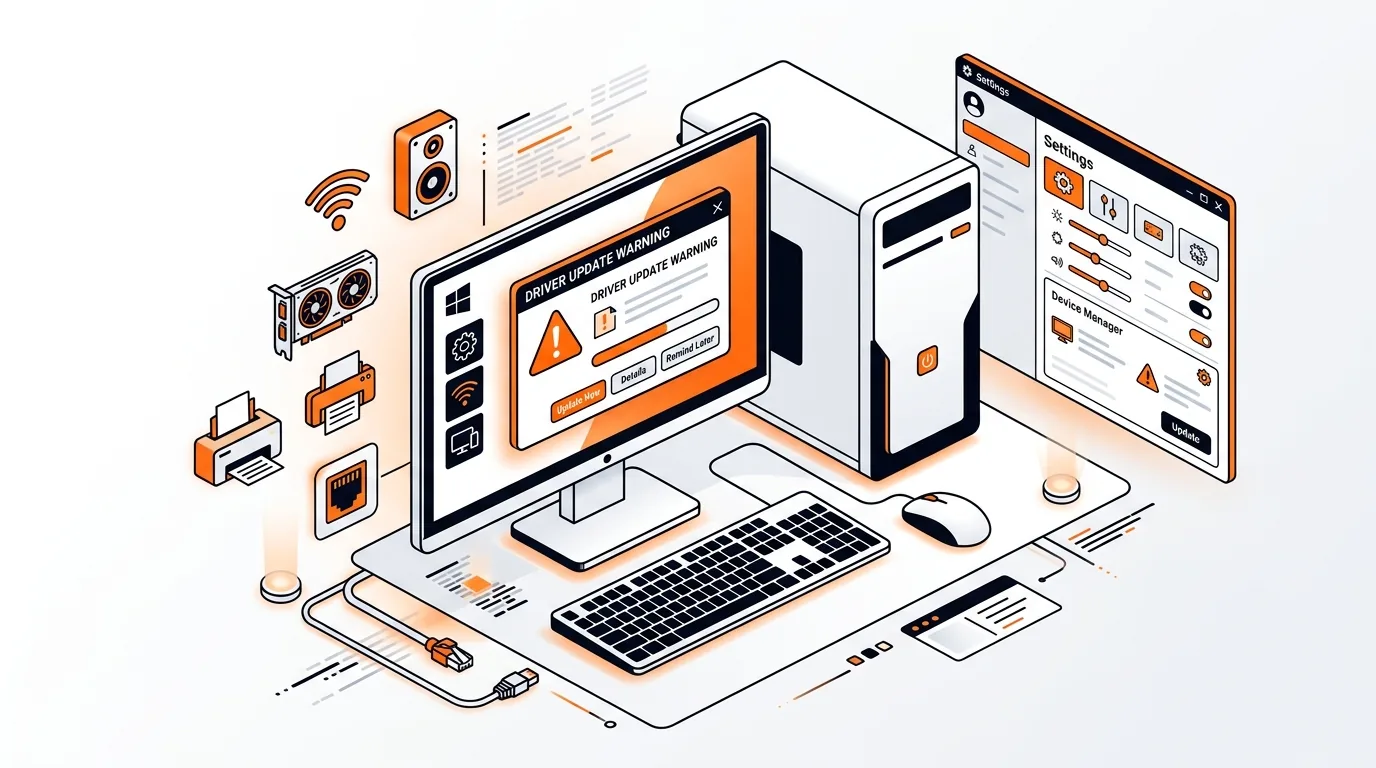
Learn how to prevent Windows Update from replacing a stable driver, so you can stop recurring crashes, flickering, or device problems for good.

Please sign in or create an account to interact with this article.