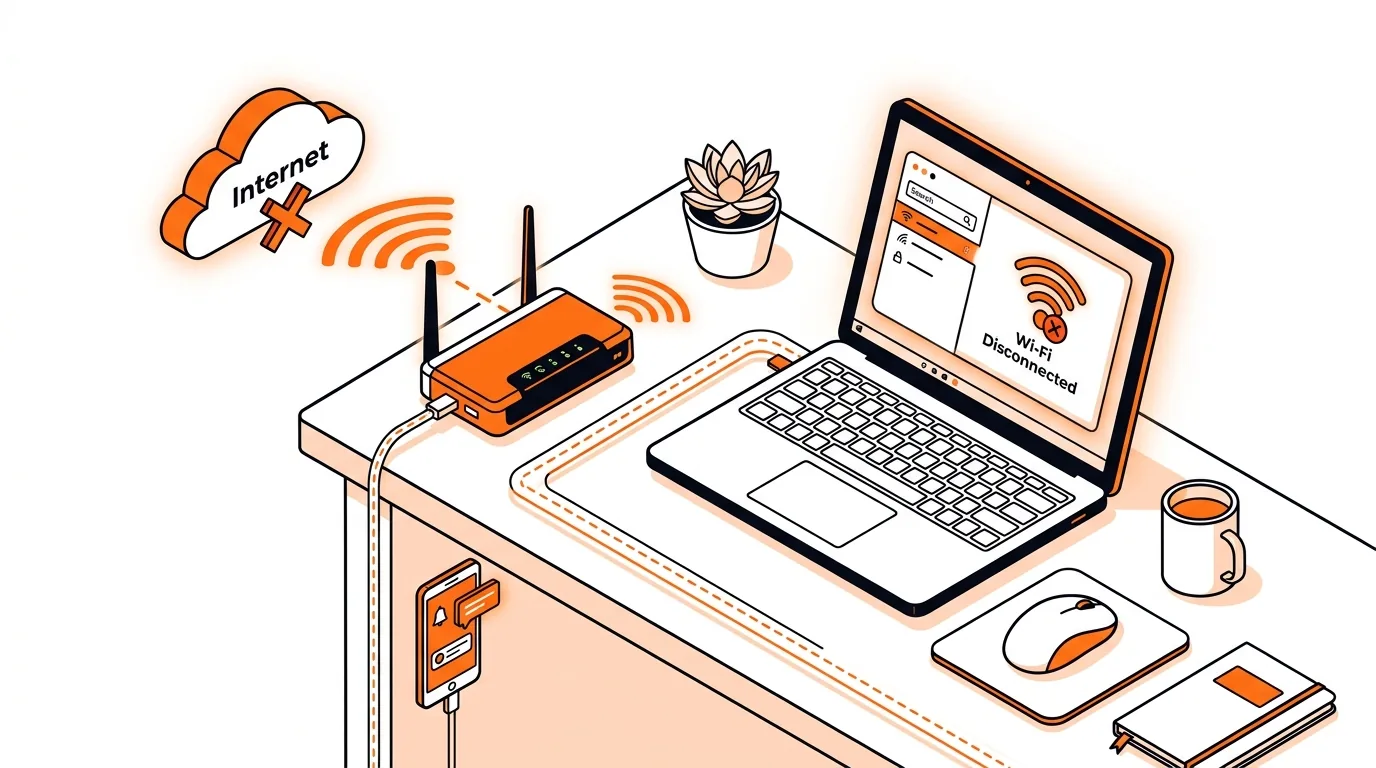
How to Fix Wi‑Fi Connected but No Internet on Windows
Learn how to fix Wi-Fi connected but no internet on Windows with clear steps that restore browsing, apps, and updates without advanced tools.


If Windows keeps failing to install updates and shows Windows Update error 0x800f081f, you are usually dealing with damaged system files or broken update components rather than a hardware failure. The good news is that this error can often be fixed with built-in Windows tools, and this guide walks you through the safest steps in the right order.
Windows Update error 0x800f081f commonly appears when Windows cannot find or repair files it needs to complete an update. In many cases, the issue is tied to a corrupted component store, interrupted updates, damaged system files, or a mismatch between update packages and the current Windows build.
It can also happen after an incomplete shutdown, aggressive cleanup software, or a security tool that interferes with update services. That does not always mean your PC is seriously damaged, but it does mean Windows needs a little repair work before updates will install normally again.
Restart your PC and try the update again. A simple restart can clear locked files and pending update tasks. Open Settings > Windows Update, click Check for updates, and see if the update installs on a fresh boot.
Make sure your internet connection and storage are stable. A weak connection or low free space can cause repeated update failures. If you use Wi-Fi, move closer to the router or temporarily connect by Ethernet. Keep at least 15 to 20 GB of free space on the Windows drive before retrying.
Run the Windows Update troubleshooter. Go to Settings > System > Troubleshoot > Other troubleshooters, then run Windows Update. Let it apply any recommended fixes, restart the computer, and test Windows Update again. This tool can correct common service and cache problems automatically.
Repair system files with SFC. Open Command Prompt as administrator, then run sfc /scannow. Wait for the scan to finish completely. If SFC finds and repairs files, restart your PC and retry the update. This step is useful when Windows Update error 0x800f081f is caused by damaged core system files.
Use DISM to repair the Windows component store. Open Command Prompt as administrator and run these commands one at a time: DISM /Online /Cleanup-Image /ScanHealth and then DISM /Online /Cleanup-Image /RestoreHealth. This process may take a while and can appear stuck for several minutes, so let it finish. Afterward, restart the PC and check for updates again.
Reset Windows Update components. Open Command Prompt as administrator and stop these services: net stop wuauserv, net stop bits, net stop cryptsvc. Then rename the update cache folders with ren C:\Windows\SoftwareDistribution SoftwareDistribution.old and ren C:\Windows\System32\catroot2 catroot2.old. Start the services again using net start wuauserv, net start bits, and net start cryptsvc. Restart the PC before checking for updates.
Temporarily disable third-party antivirus software if installed. Some security suites can block update files or interfere with DISM and Windows Update services. Turn the software off only long enough to test the update, then re-enable it immediately afterward.
⚠️ Do not leave security software disabled longer than necessary. If you are unsure how to turn it back on, stop and get help before continuing.
Install the failed update manually from the Microsoft Update Catalog. In Settings > Windows Update > Update history, note the KB number of the failed update. Search that exact KB number at the Microsoft Update Catalog website, download the version that matches your system, and run the installer. This can work when the regular update channel is stuck but the update package itself is fine.
Try an in-place repair install if nothing else works. Download the current Windows installation media directly from Microsoft and choose the option to keep your apps and files during setup. This reinstalls Windows system components without fully wiping the computer and often resolves stubborn cases of Windows Update error 0x800f081f.
If Windows Update error 0x800f081f returns every month or after every major update, there may be deeper corruption, disk errors, or interference from security software, cleanup tools, or past upgrade leftovers. At that point, it is smart to back up your files and get hands-on help before the problem grows into startup issues or broader Windows instability.
Sometimes it does after a restart or after Microsoft rereleases an update, but repeated failures usually mean local repair is needed. Running SFC, DISM, and a Windows Update reset is often enough to solve it.
No. Resetting Windows Update components clears and rebuilds update-related cache folders and services. It does not remove your documents, photos, or installed personal files, though pending update history may be recreated.
Yes, these are built-in Microsoft repair tools and are generally safe for normal troubleshooting. They may take some time to complete, and it is best not to interrupt the scan once it starts.
If you would like help fixing this update error without the guesswork, call 247TechTeam at 888-549-0702 or request a secure remote session.
Our technicians can help remotely.
Learn how to fix Wi-Fi connected but no internet on Windows with clear steps that restore browsing, apps, and updates without advanced tools.
Fix Outlook error 0x800CCC0E with clear steps to restore sending and receiving, verify server settings, and rule out firewall or profile issues.
If your MacBook gets hot and the fans stay loud after waking from sleep, these step-by-step fixes can help restore normal temperatures quickly.